How to use this page
Choosing the right electric forklift comes down to a handful of decisions, and this page walks you through them in the order that matters most. Get those right and you end up with a machine that suits the work and the budget, without the expensive surprises that tend to show up after delivery. When you are ready, a single brief puts your spec in front of several verified Australian suppliers at once, so every quote you compare is built on the same requirements.
Cost breakdown
Electric forklift prices run from about $28,000 to $95,000 for a counterbalance unit, commonly $30,000 to $80,000+ depending on spec. Capacity, battery type, and new vs used are the biggest price drivers. The forklift is rarely the full cost: lithium and the charger can add $8,000-$15,000.
| Capacity | Typical price AUD, GST inclusive, Australian supplier | Common buyer |
|---|---|---|
| 1.5t - 1.8t | $32,000 - $50,000 | Small warehouse, retail back-of-house, tight aisles |
| 2.0t - 2.5t | $38,000 - $65,000 | Most common in Australian warehousing |
| 3.0t - 3.5t | $50,000 - $80,000+ | Heavier pallet work, container loading |
| 4.0t+ | $70,000 - $95,000+ | Specialist: dense materials, dual-pallet handling |
Common configurations
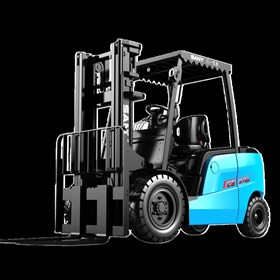
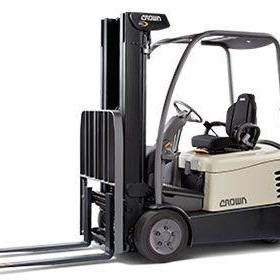
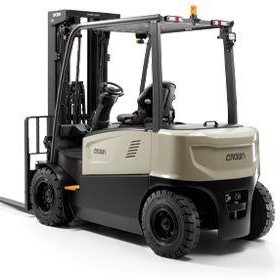
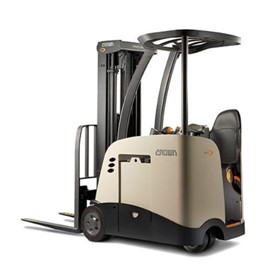
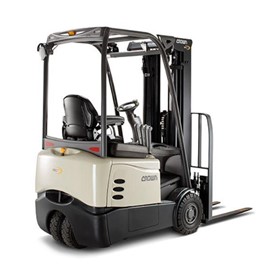
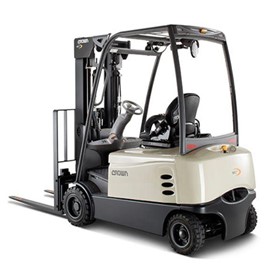
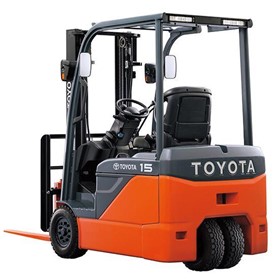
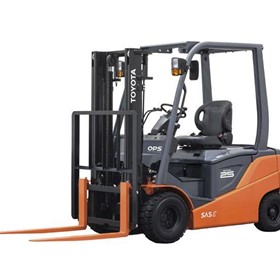
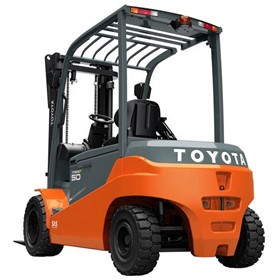
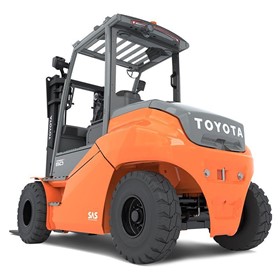
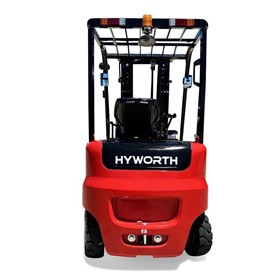
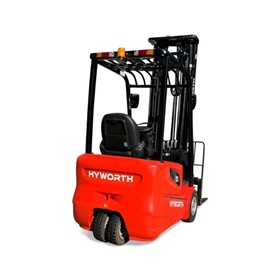
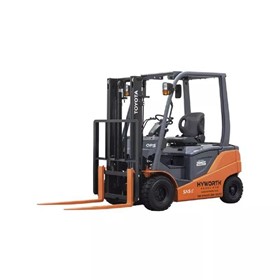
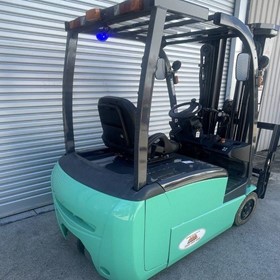
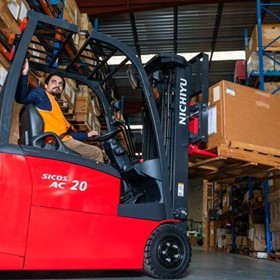
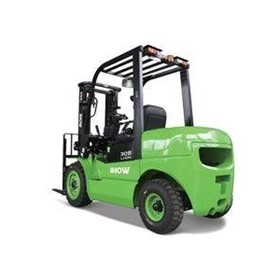
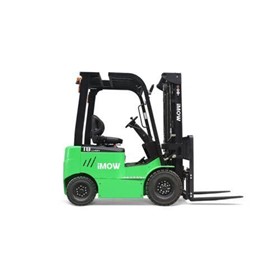
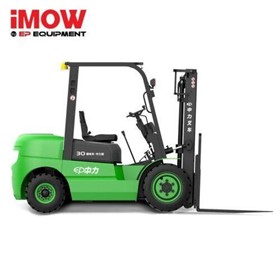
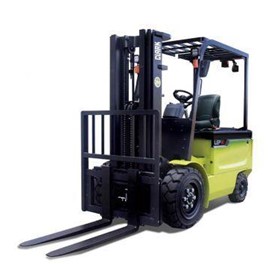
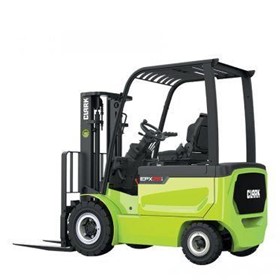
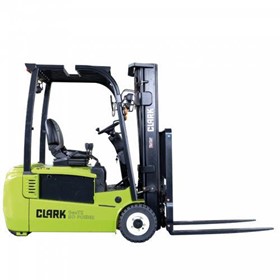
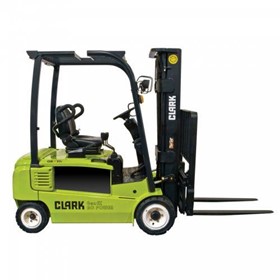
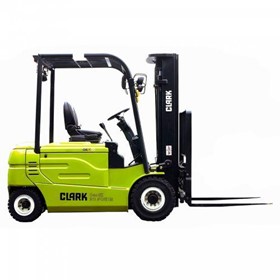
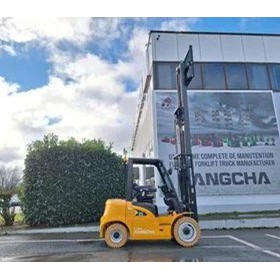
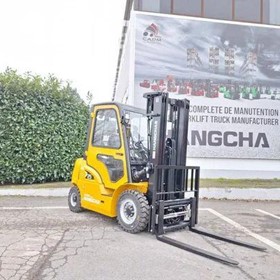
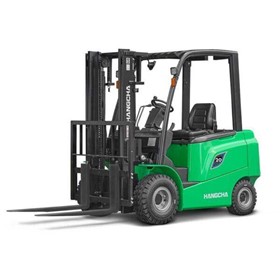
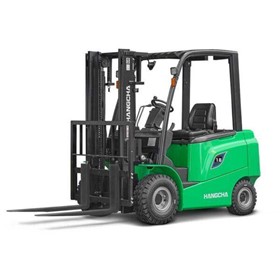
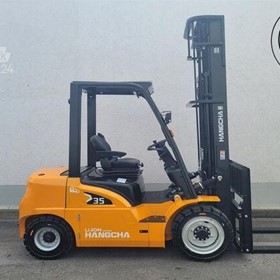
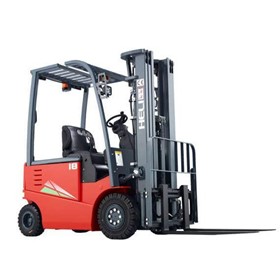
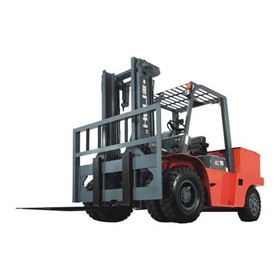
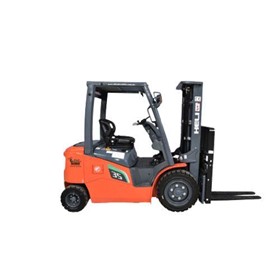
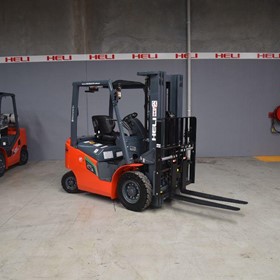
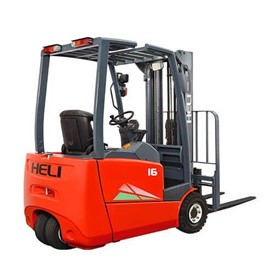
Most Australian buyers land on one of these three. The first choice is configuration: a 3-wheel electric forklift turns inside a roughly 3.0 to 3.4m aisle and suits tight indoor work up to about 2.0t, while a 4-wheel gives more stability for heavier loads, higher lifts, and uneven or outdoor surfaces. Measure your narrowest aisle first, then match the rest below.
Lead-acid or lithium
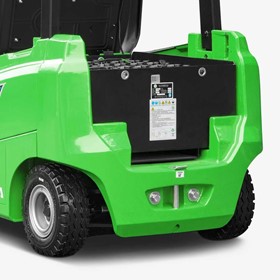
Same forklift, different battery, very different operation. The battery sets your price, your charging setup, how many shifts you can cover, and your weekly upkeep. Settle this before you compare anything else.
Charging and runtime
An electric forklift is only as useful as the power behind it. Most give 6 to 10 hours per charge, enough for a single shift. What changes your quote is the power your site has and what happens when one shift is not enough.
- Power supply: a small lead-acid forklift can charge from a standard outlet overnight. Fast chargers, lithium chargers, and multi-bay setups often need a three-phase supply. Check what your site has before you size the charger.
- Charger match: the charger has to suit the battery voltage, amp-hours, and, for lithium, the battery management system. Buy them as a pair.
- Covering a second shift: lead-acid needs a spare battery and a swap area, since it cannot recharge fast enough between shifts. Lithium opportunity-charges during breaks, so one battery often covers the day with no swap.
- Lead-acid charging area: charging gives off hydrogen, so many workplaces set up a ventilated space and often include acid-resistant flooring, an eyewash point, and no ignition sources nearby. Your exact controls come from your site risk assessment. Lithium has none of this, so it can charge beside the work area.
Capacity
Capacity is the weight a forklift can safely lift at a 500mm load centre. Add about 20% headroom to your heaviest load: a 2.0t pallet suits a 2.5t forklift, not a 2.0t. Capacity and stability should be checked against the forklift's rated load chart and relevant industrial truck requirements, including AS 2359.
| Capacity | Typical use |
|---|---|
| 1.5t - 1.8t | Light indoor work, retail back-of-house, tight aisles |
| 2.0t - 2.5t | General warehouse, container loading |
| 3.0t - 3.5t | Heavier pallet work, dual pallets, drum handling |
| 4.0t+ | Specialist: steel, machinery, dense materials |
Mast and lift
The mast is the tower that lifts the load. Pick it on lift height and what you need to clear under doorways and container roofs.
- 2-stage simplex: basic, lifts 3-4m. Cheapest, but will not fit through standard doorways or into containers when raised.
- 2-stage full free-lift: raises the forks about 1.5m before the mast extends. Useful for double-stacking inside trucks or containers.
- 3-stage: reaches higher (4.5-7m+) with a more compact collapsed height. The choice for high racking.
- 3-stage container mast (full free-lift): the most flexible option for mixed indoor and container work, and the common pick for general warehousing.
Tyres
Tyres come down to your floor and whether you work indoors, outdoors, or both. The wrong tyre means punctures, poor grip, or floor damage.
| Tyre type | Best fit |
|---|---|
| Cushion (press-on solid) | Smooth indoor concrete only. Compact and manoeuvrable. |
| Solid pneumatic (puncture-proof) | Mixed indoor and yard. The common middle ground for electric. |
| Pneumatic (air-filled) | Outdoor yards and uneven surfaces. Better grip, but can puncture. |
| Non-marking solid | Wet, oily, or polished floors, and food-grade areas. |
New or used
A well-kept used electric forklift can deliver most of the value of a new one for less. With electric, one thing decides whether it is a bargain or a trap: the battery. The battery holds most of the value, and a tired one is expensive to replace.
Ownership costs
Purchase price is only part of the five-year cost. Energy, servicing, tyres, repairs, and an eventual replacement battery can materially change the total. Electric runs cheaper than LPG or diesel for indoor single-shift work, with fewer moving parts to maintain.
| Cost per year | Typical range 1,500 hours/year, 2.5t electric |
|---|---|
| Electricity to charge | $900 - $2,200 |
| Routine servicing | $800 - $1,800 |
| Tyres (amortised) | $400 - $1,200 |
| Battery replacement (set aside, over its life)Lead-acid basis. Lithium costs more to replace but lasts longer. | $1,500 - $4,000 |
| Unscheduled repairs | $300 - $1,500 |
| Total annual | $3,900 - $10,700 |
Over five years, a typical 2.5t electric forklift bought new at $42,000 and run 1,500 hours a year totals $75,000 to $135,000 all in. Lithium lowers it further by cutting battery upkeep and lasting more cycles.
Before you quote
You do not need every spec nailed down to get useful quotes. Pin these five down and suppliers can price the right machine the first time, instead of sending back a guess.
| 1 | Battery type: lead-acid or lithium, based on your shift pattern. If you are unsure, say so and ask each supplier to quote both. |
| 2 | Power and charging: whether your site has three-phase power, and where the forklift will charge. This decides the charger and any site works. |
| 3 | Capacity and lift height: your heaviest load plus 20% headroom, and your highest stack. Add your lowest doorway and tightest aisle. |
| 4 | Site and shift: indoor, outdoor, or mixed, your floor type, and how many shifts you run. This shapes tyres and battery sizing. |
| 5 | Budget basis: whether you are comparing on purchase price or monthly finance, so suppliers quote the structure that fits your cash flow. |
Finance options
An electric forklift is a large upfront cost, and the battery and charger add to it. To spread that into a monthly repayment, many buyers look at equipment finance alongside the quote comparison. What finance looks like for your business comes down to the answers below.
| Finance question | What it helps you decide | Why it matters |
|---|---|---|
| What could the monthly repayment be? | Whether the unit fits your monthly cash flow before committing to a quote. | Most electric forklifts sit in a price range where the monthly repayment is easier to weigh against output than the upfront cost alone. |
| Am I likely to get approved? | Whether your business, trading history, and the unit's value are financeable. | IndustrySearch finance works across a panel of lenders, which can improve the chance of finding a suitable approval pathway. |
| Which finance structure suits the purchase? | Whether to compare options such as chattel mortgage, lease, rental, balloon payment, or low-deposit finance. | The right structure can affect ownership, monthly cost, cash flow, and how quickly you can move ahead. |
Finance calculator
Estimate my repayment
Adjust the sliders to estimate your electric forklift repayments. Speak with our team for an exact quote based on your profile.
Compare quotes and finance options for electric forklifts.
Need finance before choosing a forklift?
Check indicative forklift finance options in under a minute, with no obligation.
Common questions
Quick answers to the most-searched questions about electric forklifts and how IndustrySearch works.
Why use IndustrySearch to buy an electric forklift?
Most buyers want to compare a few quotes before committing to a forklift this expensive, and on electric the battery and charger make the quotes harder to line up. IndustrySearch gets you 3+ quotes from verified Australian suppliers in one go, so you can compare price, battery type, charger, lead time, and service coverage side by side without ringing around dealers one by one.
Does it cost more to purchase an electric forklift through IndustrySearch?
No. The service is free for buyers, and suppliers quote you their normal direct prices with no markup. Getting multiple quotes side by side often sharpens pricing because suppliers know they are competing for your job.
Why do suppliers list with IndustrySearch?
IndustrySearch has connected Australian buyers with industrial equipment suppliers since 2005. Suppliers list with us because they get pre-qualified leads from buyers who are actively in market, rather than tyre-kickers from generic search. Every supplier is vetted before listing, so you only see reputable Australian brands with the service capability to back up what they sell.
How much does an electric forklift cost?
A new electric forklift, also called an electric forklift truck or electric lift truck, runs from about $28,000 for a compact 1.5t model to $95,000 or more for a 4.0t-plus unit. The common 2.0t to 2.5t warehouse size sits around $38,000 to $65,000. Battery type, capacity, and new versus used move the price most.
What size electric forklift do I need?
Match capacity to your heaviest load plus about 20% headroom. A 1 ton or 1.5 ton electric forklift suits light indoor and retail back-of-house work, a 2 ton to 2.5 ton model covers most general warehousing and container loading, and a 3 ton to 3.5 ton forklift handles heavier pallets and drum work. Ask the supplier for a load chart matched to your spec, since capacity drops as you lift higher or fit an attachment.
How long does an electric forklift battery last?
A lithium battery lasts around 2,500 to 3,000+ charge cycles, or 8-10 years in single-shift use. A lead-acid battery lasts around 1,000 to 1,500 cycles, or 5-7 years, and longer if you keep up the watering and avoid deep discharges. Replacing the battery is the biggest single cost in an electric forklift's life.
How long does an electric forklift take to charge?
Lithium charges in 1 to 3 hours and takes top-ups during breaks with no cooling period. Lead-acid needs 6 to 10 hours charging plus a cooling period before it goes back to work, which is why a second shift on lead-acid means a spare battery and a swap.
Can I convert a lead-acid forklift to lithium?
Often yes, if the voltage is compatible. A retrofit swaps in a lithium battery and a matched charger. The charger must suit the lithium battery management system, and because lithium is lighter, the forklift may need ballast to keep its rated capacity and stability. Have a supplier assess your specific unit first.
What licence do I need to operate one?
The same as any counterbalance forklift: a High Risk Work Licence, class LF (national unit TLILIC0003). Electric does not change the licence. Training runs 2-3 days, and the licence is issued by your state work health and safety regulator and recognised across Australia.
Are electric forklifts cheaper to run than LPG or diesel?
For indoor single-shift work, yes. Electricity costs less than fuel per hour, and there is far less to service. Where the crossover sits depends on your utilisation, energy costs, and battery type. Run heavier than that or mostly outdoors and LPG or diesel can match electric on total cost, so compare the five-year figure for your hours, not just the energy line.
What's the resale value when I upgrade?
An electric forklift holds around 30-45% of its purchase price after 5 years, depending on hours and condition. On electric, the swing factor is battery health: a documented service history and a battery with life left lift the resale value more than the meter reading. Mainstream brands hold value better than lesser-known imports.
How quickly can I get one delivered?
In-stock units from Australian dealers can arrive within 1-2 weeks, including pre-delivery inspection. Used and refurbished are often fastest. Built-to-order new units, and specific lithium configurations, can take 8-16 weeks. Ask each supplier what is in stock against your battery and charger spec before you finalise it.
How long does finance pre-approval take?
Equipment finance pre-approval is usually quick, often within 1-2 business days once you provide basic business and financial details. Pre-approval lets you compare quotes knowing your monthly cost and borrowing capacity, without committing to a purchase.
What documents do I need to apply for equipment finance?
For most equipment finance under a set threshold, lenders ask for limited paperwork: your business ABN and trading history, recent bank statements, and details of the forklift being financed. Larger amounts can need business financials or tax returns. IndustrySearch finance works across a panel of lenders, so the exact requirements vary by amount and lender.
Why IndustrySearch
Helping Australian industrial buyers compare suppliers since 2005.