

Rotary Airlock Valves for Efficient Pneumatic Conveying and Bulk Material Handling
Introduction
Rotary Airlock Valves play a critical role in modern bulk material handling and pneumatic conveying systems.
Used across industries including cement, food processing, chemicals, plastics, mining, minerals, power generation, and animal feed, rotary airlock valves provide a controlled method of feeding material while maintaining pressure differentials between process stages.
By combining accurate material metering with effective airlock sealing, rotary valves help improve conveying efficiency, reduce energy losses, and support reliable plant operation.
What is a Rotary Airlock Valve?
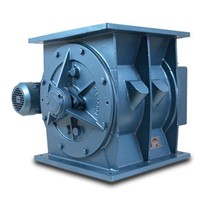
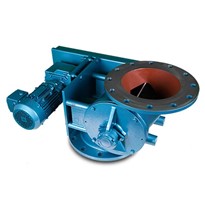
A Rotary Airlock Valve is a rotating feeder designed to transfer powders, granules, pellets, and bulk solids from one process stage to another while minimizing air leakage.
The valve consists of a rotor with multiple pockets that continuously receive material from a hopper, silo, cyclone, filter, or dust collector and discharge it into the downstream process.
This allows the valve to perform two essential functions:
· Controlled material feeding
· Airlock sealing between pressure zones
As a result, rotary valves are widely used in both pressure and vacuum pneumatic conveying systems.
Why Rotary Airlock Valves Matter
In pneumatic conveying systems, airflow and material flow must remain balanced.
Without an effective airlock valve, facilities may experience:
· Reduced conveying efficiency
· Excessive air leakage
· Increased blower energy consumption
· Inconsistent material feed rates
· Product loss and dust generation
· Increased maintenance requirements
A properly selected rotary airlock valve helps maintain system performance while improving process reliability.
Key Benefits
Consistent Material Feeding
Rotary valves provide a steady and controlled discharge of material into the conveying system.
Reduced Air Leakage
Maintaining pressure differential improves conveying efficiency and reduces energy consumption.
Continuous Operation
Rotary valves support continuous industrial processes with minimal interruption.
Improved Process Efficiency
Stable material feeding improves the performance of downstream equipment and conveying systems.
Flexible Material Handling
Suitable for powders, granules, pellets, crystals, minerals, cement, chemicals, plastics, food ingredients, and animal feed products.
Rotary Valve Solutions Available from APS Technology
Different materials require different rotary valve designs. APS Technology can supply a range of rotary valve configurations to suit specific process requirements.
Standard Rotary Airlock Valves
Designed for powders and granules requiring accurate discharge and airlock performance.
Typical applications include:
· Pneumatic conveying systems
· Dust collection systems
· Bulk powder handling
· Cement and fly ash transfer
Blow-Through Rotary Valves
Blow-through designs feed material directly into the conveying air stream.
These valves are commonly used where:
· Higher conveying efficiency is required
· Fine powders are being transported
· Pneumatic conveying performance is critical
Sanitary Rotary Valves
Designed for industries where hygiene, cleaning, and inspection are essential.
Applications include:
· Food processing
· Dairy production
· Pharmaceutical manufacturing
· Nutraceutical processing
Quick-cleaning designs allow easier maintenance and inspection while supporting hygienic production environments.
Plastic Industry Rotary Valves
Specially designed for plastic powders, flakes, granules, and pellets.
These valves help prevent product degradation while maintaining accurate feeding performance throughout the conveying process.
Abrasive Duty Rotary Valves
Some materials create significant wear on conventional rotary valves.
APS can supply abrasive-duty rotary valves incorporating:
· Ceramic liners
· Hardox wear-resistant components
· Tungsten carbide coatings
· Specialized wear protection systems
Suitable for:
· Minerals
· Cement
· Fly ash
· Silica
· Abrasive powders
High-Temperature Rotary Valves
For demanding process environments involving elevated temperatures, APS can supply high-temperature rotary valves incorporating:
· Heat-resistant materials
· Water cooling systems
· Stainless steel construction
· Specialized sealing arrangements
Suitable for cement, minerals, power generation, and other high-temperature applications.
Industries Served
Rotary Airlock Valves are widely used across:
Cement & Building Materials
· Limestone
· Fly ash
· Cement powder
· Raw meal
Food & Dairy
· Flour
· Sugar
· Milk powder
· Food ingredients
Chemical Processing
· Powders
· Additives
· Specialty chemicals
Plastics Industry
· Plastic powders
· Pellets
· Recycled materials
Mining & Minerals
· Calcium carbonate
· Silica
· Mineral concentrates
· Industrial powders
Power & Energy
· Fly ash
· Dust collection
· Bulk solids handling
Custom Engineered Solutions
Every material behaves differently.
Factors such as:
· Bulk density
· Particle size
· Temperature
· Abrasiveness
· Moisture content
· Conveying pressure
all influence valve selection.
APS Technology works with customers to select the appropriate valve size, rotor design, construction materials, coatings, drive arrangement, and sealing configuration to suit the application.
Conclusion
Rotary Airlock Valves are a critical component in efficient bulk material handling and pneumatic conveying systems.
By providing reliable material feeding while maintaining pressure differentials, they help reduce air leakage, improve conveying efficiency, lower operating costs, and support reliable industrial operation.
Whether your application involves cement, food products, chemicals, plastics, minerals, or abrasive materials, APS Technology can assist with the selection of a rotary valve solution tailored to your process requirements.
Looking for a Rotary Airlock Valve solution?
Contact APS Technology Australia to discuss your bulk material handling or pneumatic conveying application.



-205x205.jpg)



-205x205.jpg)