
-720x400.jpg)
-720x400.jpg)
-720x400.jpg)
-720x400.jpg)
-720x400.jpg)

Introduction
Australia generates around 53.7 million end-of-life tyres every year, representing more than 500,000 tonnes of waste tyre material. These tyres contain valuable resources, including recoverable rubber, steel, and energy.
For Australian recyclers, the real challenge is not only tyre disposal — it is capturing the value hidden inside this waste stream. Recycled rubber can be used in road materials, sports surfaces, industrial products, while tyre-derived fuel (TDF) provides another option for high-volume tyre processing.
The bottleneck is always the same: how do you turn whole, bulky tyres into consistent, saleable tyre chips at the lowest cost per tonne?
That starts with the right shredder.
This guide explains what Australian recyclers need to consider before investing in tyre recycling equipment — from machine selection and processing capacity to operating costs, maintenance, and choosing the right system for mining tyres, commercial fleets, and urban collection operations.
Why Does Australia Need Tyre Recycling Equipment?
Australia’s tyre recycling challenge is not only about the number of waste tyres — it is about where those tyres are generated and how difficult they are to process efficiently.
Unlike countries with dense recycling networks, Australia’s vast landmass creates unique challenges for waste tyre management. A tyre collected in a remote mining region may need to travel hundreds or even thousands of kilometres before reaching a processing facility.
For mining operations in areas such as the Pilbara, the challenge is even greater. Large OTR tyres used on haul trucks and heavy equipment can weigh several tonnes and contain significant amounts of steel reinforcement. Moving these oversized tyres over long distances can quickly become one of the largest costs in the recycling process.
This is why more Australian operators are looking at regional tyre processing solutions instead of relying only on centralised recycling facilities.
The equipment requirement is also different from many standard waste applications.
A tyre shredder used in Australia needs to handle:
- Large truck and mining tyres
- High steel content
- Continuous industrial operation
- Remote working environments
Low-speed, high-torque tyre shredders are designed for this type of application, providing the cutting force required to process difficult tyre materials while reducing downtime caused by excessive wear.
For Australian recyclers, the question is not simply whether tyres can be shredded.
The real challenge is choosing a system that can process the right tyre types, at the right capacity, with the lowest operating cost per tonne.
Why Is Tyre Recycling Growing in Australia?
Australia has been moving toward a more circular economy approach through programs such as Tyre Stewardship Australia (TSA) and broader waste reduction initiatives.
The focus is shifting from simply collecting waste tyres to creating higher-value recycling outcomes.
The industry is looking for better ways to:
- Increase local tyre processing capacity
- Reduce illegal dumping
- Improve material recovery
- Expand recycled rubber applications
- Support alternative fuel solutions such as TDF
For recycling businesses, this means the equipment used at the beginning of the process becomes increasingly important.
A reliable tyre shredder can directly affect:
- Processing capacity
- Maintenance cost
- Output quality
- Overall profitability
Who Needs a Tyre Shredder in Australia?
Tyre Recycling Companies
Tyre recyclers are the most common buyers of tyre shredding equipment.
Their goal is usually to convert waste tyres into products such as:
- Tyre chips
- Rubber granules
- Recovered steel
- Fibre materials
- TDF fuel material
A complete tyre recycling plant may include:
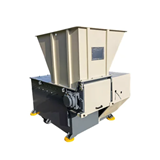
- Double shaft tyre shredder
- Tyre wire separator
- Rubber granulator
- Fibre separator
- Conveyor system
For a recycler, the machine is not just about cutting tyres.
The real question is:
Can the system process enough material every day while keeping operating costs under control?
Scrap Metal Yards and Auto Recycling Companies
Vehicle dismantlers remove thousands of tyres from end-of-life vehicles every year.
A tyre shredder can help these businesses:
- Reduce tyre storage space
- Process removed tyres efficiently
- Recover rubber and steel
- Improve overall recycling value
For many scrap yards, tyre processing is an additional revenue opportunity alongside metal recycling.
Waste Management Companies
Waste management companies often handle multiple waste streams, including:
- Commercial waste
- Industrial waste
- Municipal waste
- End-of-life vehicles
Adding tyre recycling equipment allows them to process another difficult waste stream and recover additional resources.
Mining Companies and OTR Tyre Recycling
Australia’s mining industry creates a unique tyre recycling challenge.
Mining operations use extremely large tyres from:
- Haul trucks
- Loaders
- Heavy equipment
These OTR tyres are much larger, heavier, and more difficult to process than standard passenger tyres.
A normal shredder is not designed for this job.
Mining tyre recycling requires heavy-duty equipment with:
- High torque cutting systems
- Strong wear protection
- Continuous processing capability
Western Australia and Queensland are particularly important markets because of their mining activity.
How Does a Waste Tyre Recycling System Work?
A tyre recycling plant is usually made up of several processing stages.
Each machine has a specific role in recovering valuable materials from old tyres.
Step 1: Tyre Shredding
The process starts with tyre shredding.
Whole tyres are fed into a double shaft tyre shredder, where two counter-rotating shafts cut and shear the material.
The result is:
50-150mm tyre chips
This size is suitable for:
- Steel separation
- TDF production
- Further rubber processing
The quality of this first shredding stage affects the efficiency of the entire recycling line.
Step 2: Steel Wire Separation
Waste tyres contain a large amount of embedded steel wire.
After shredding, the tyre chips pass through a steel separation system.
The recovered steel can be collected and sold to metal recyclers.
A question we hear frequently is:
How much steel can be removed from waste tyres?
A properly designed separation system can achieve over 95% steel separation efficiency.
Step 3: Rubber Granulation
If you want higher-value recycled rubber products, the tyre chips continue into the granulation stage.
A rubber granulator reduces the material into smaller rubber particles with controlled sizes.
These recycled rubber materials can be used for:
- Sports surfaces
- Playground flooring
- Rubber mats
- Artificial turf infill
- Asphalt modification
The finer and cleaner the rubber output, the wider the possible applications.
Step 4: Material Collection
At the final stage, recovered materials are collected separately:
- Rubber granules
- Steel wire
- Fibre materials
These materials can then be sold or used as raw materials for new products.
What Materials Can You Recover from Waste Tyres?
A waste tyre is not simply rubbish.
It contains valuable materials that can return to the industrial supply chain.
Recycled Rubber
Used in:
- Running tracks
- Playground surfaces
- Rubber tiles
- Landscaping products
- Construction materials
Recovered Steel Wire
Steel recovered from tyres can be recycled through existing metal recycling channels.
Tyre-Derived Fuel (TDF)
Some tyres are processed into tyre chips used as alternative fuel.
TDF is mainly used in industries such as:
- Cement manufacturing
- Lime production
- Industrial boilers
For high-volume tyre processors, producing consistent tyre chips for TDF can be a practical recycling route.
How Much Does a Tyre Recycling Plant Cost in Australia?
One of the first questions customers ask is:
“How much does a tyre recycling plant cost?”
The honest answer is: it depends on what you want to produce.
A system designed only for TDF tyre chips is very different from a complete recycling line producing clean rubber granules.
The main factors affecting tyre recycling equipment cost include:
Processing Capacity
A 3 TPH tyre recycling system and a 10 TPH industrial plant are completely different projects.
Higher capacity requires:
- Larger shredders
- More powerful motors
- Higher equipment investment
Equipment Configuration
A complete tyre recycling system may include:
- Tyre shredder
- Steel separator
- Granulator
- Fibre separator
- Conveyors
- Dust control equipment
The more processing stages you add, the higher the investment.
Final Product Requirements
Before choosing equipment, ask yourself:
What material do I want to sell after recycling?
Producing TDF chips requires a different system from producing high-quality rubber crumb.
Your final market determines the right equipment configuration.
How to Choose the Right Tyre Shredder?
Don't choose a shredder just by looking at motor power.
Australian recyclers usually pay more attention to these factors:
1. Processing Capacity
How many tonnes per hour do you need?
Common requirements include:
- 2 TPH
- 3 TPH
- 5 TPH
- 10 TPH
Capacity affects everything from machine selection to operating cost.
2. Tyre Types
Confirm the materials you need to process:
- Passenger tyres
- Truck tyres
- OTR mining tyres
- Agricultural tyres
A machine suitable for passenger tyres may not handle large mining tyres.
3. Output Size
Your required tyre chip size depends on the final application.
Primary shredding normally produces:
50-150mm tyre chips
Smaller rubber granules require additional processing equipment.
4. Blade Life and Maintenance
This is a major concern in Australia.
Labour costs are high, so downtime is expensive.
Ask:
- How long do blades last?
- How often do they need replacement?
- Are spare parts easy to obtain?
- How simple is maintenance?
A machine with lower purchase cost may become expensive if maintenance is frequent.
Supplier Support and After-Sales Service
Buying a tyre shredder is a long-term investment.
Check:
- Installation support
- Technical assistance
- Spare parts supply
- Warranty coverage
- Previous recycling projects
Good after-sales service helps keep your recycling operation running.
Can You Use a Normal Industrial Shredder for Tyres?
This is a question we hear quite often.
The short answer:
Usually, no.
Tyres are not like ordinary plastic or general waste.
Inside every tyre are steel wires and reinforced structures that create significant stress on the cutting system.
Using unsuitable equipment can result in:
- Faster blade wear
- Lower production capacity
- More frequent maintenance
- Higher operating costs
A dedicated tyre shredder is designed specifically for the challenges of tyre processing.
Need Help Selecting a Tyre Recycling System?
Every recycling project has different requirements.
Before selecting equipment, you should understand:
- What tyres you process
- Required tonnes per hour
- Desired output size
- Final recycled product
- Available installation space
ENERPAT provides industrial tyre recycling equipment solutions for tyre recyclers, waste management companies, and industrial users.
Send us your tyre type, expected capacity, and material photos. Our team can help recommend a suitable recycling configuration.
Conclusion
Waste tyres represent both a regulatory burden and a commercial opportunity.
For Australian businesses, the right recycling equipment transforms end-of-life tyres into high-value outputs — rubber granulate, clean steel, and tyre-derived fuel.
Success depends on selecting a shredder that aligns with your tyre mix, processing capacity, and product specifications.
Remember: shredding is not an end in itself. It's the first step in a system designed to produce saleable materials that generate ongoing revenue, not ongoing costs.

-160x160-state_article-rel-cat.png)




-205x205.jpg)
-205x205.jpg)
-205x205.jpg)


-205x205.jpg)

-205x205.jpg)


-205x205.jpg)




-205x205.jpg)