
Electric Pallet Jack Prices in Australia: What to Budget for Purchase, Running Costs and Total Ownership
Key Takeaways
| Factor | Guidance |
|---|---|
| Entry-level price (AUD) | $2,500–$4,000 for light warehouse and retail use |
| Mid-range price (AUD) | $4,000–$6,000 for continuous warehouse operation |
| Industrial lithium-ion price (AUD) | $6,000–$8,000+ for heavy-duty distribution centre use |
| Annual energy cost | Under $100 per unit at standard commercial rates |
| Annual maintenance cost | $100–$400 for servicing and wear components |
| Lead-acid battery replacement | $400–$1,200 at years 3–5 |
| Lithium-ion battery replacement | $1,200–$2,500 at years 5–8 |
| 5-year total cost of ownership | Approx. $6,800 for a mid-range unit all-in |
Why Buyers Are Researching Electric Pallet Jack Prices
Purchase price is only part of the cost equation. A $3,000 lead-acid unit and a $7,000 lithium-ion model can arrive at a similar 5-year total cost — once battery replacement, maintenance and charging are factored in. Operations that get this wrong either overspend on capability they don't need or underspend and face early battery replacement costs.
Facilities commonly pricing electric pallet jacks include:
- Warehouses transitioning from manual pallet handling
- Distribution centres replacing ageing lead-acid equipment
- Retail operations equipping back-of-house stock movement
- Food and beverage logistics operations
- Third-party logistics and contract packaging facilities
Is this guide for you? If you're budgeting for electric pallet jack purchase, replacement or fleet expansion and need current Australian pricing across equipment tiers — this guide covers purchase cost, running costs and total ownership.
What Is an Electric Pallet Jack?
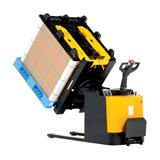
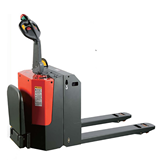
An electric pallet jack (electric pallet truck) is a battery-powered warehouse machine used to move palletised goods short distances with minimal operator effort. Unlike manual pallet jacks, it uses an electric motor to drive and lift loads.
Most models used in Australian warehouses handle 1.5–3 tonnes and are designed for pallet transport across warehouses, distribution centres and retail stockrooms.
Price Tiers / Configurations
| Type | Capacity | Price Range (AUD) | Best For |
|---|---|---|---|
| Entry-level lead-acid | 1.5–2 tonnes | $2,500–$4,000 | Light retail and single-shift warehouse use |
| Mid-range warehouse model | 2–2.5 tonnes | $4,000–$6,000 | General warehouse and DC operations |
| Industrial lithium-ion | 2.5–3 tonnes | $6,000–$8,000+ | Heavy-duty continuous multi-shift operation |
| Ride-on electric pallet jack | 2–3 tonnes | $8,000–$15,000+ | Large DCs with long travel distances |
Entry-level models at $2,500–$4,000 suit light and intermittent use. The lower price reflects lead-acid battery technology — expect a replacement cost of $400–$1,200 within 3–5 years.
Mid-range models at $4,000–$6,000 cover most general warehouse operations. Units in this tier may be lead-acid or lithium-ion — confirm battery type before purchasing, as it significantly affects lifetime cost.
Industrial lithium-ion models at $6,000–$8,000+ carry a higher sticker price but lower lifetime cost. Zero battery maintenance, 5–8 year battery lifespan and fast charging make them the lower total cost option for continuous or multi-shift use.
What Drives the Price Difference
| Price Factor | Impact on Cost | Buyer Consideration |
|---|---|---|
| Battery technology | High | Lithium-ion adds $1,500–$3,000 to purchase price but reduces lifetime battery and maintenance cost |
| Lifting capacity | Moderate | 3-tonne models cost 20–30% more than 1.5-tonne equivalents — only upsize if your loads require it |
| Charging speed | Moderate | Fast-charge capability adds cost but eliminates shift planning constraints in multi-shift operations |
| Fork length | Low | Non-standard or extended fork lengths add $200–$500 to purchase price |
| Chassis construction | Moderate | Industrial-grade steel chassis increases upfront cost but extends equipment lifespan in heavy-duty use |
| Brand and warranty | Variable | Established brands carry higher purchase prices but typically offer better parts availability and service networks |
Technology or Configuration Options
| Factor | Lead-Acid Battery | Lithium-Ion Battery |
|---|---|---|
| Purchase price premium | None — standard | $1,500–$3,000 higher |
| Battery lifespan | 3–5 years | 5–8 years |
| Replacement cost | $400–$1,200 | $1,200–$2,500 |
| Annual maintenance | $100–$200 (watering, inspection) | Nil |
| Charge time | 6–8 hours | 1–2 hours |
| 5-year battery cost | $400–$1,200 (one replacement) | $0 (within lifespan) |
Choose lead-acid when upfront budget is constrained and the unit runs a single shift with overnight charging available. The lower purchase price is the primary advantage — factor in one battery replacement cycle when calculating total cost.
Choose lithium-ion when the unit runs multiple shifts, charging windows are short, or maintenance overhead needs to be eliminated. At continuous use, lithium-ion typically reaches cost parity with lead-acid within 3–4 years and delivers lower total cost beyond that point.
Full Cost Breakdown: 5-Year Ownership
| Cost Component | Lead-Acid Model | Lithium-Ion Model |
|---|---|---|
| Purchase price | $4,500 | $7,000 |
| Electricity (5 years) | $300 | $300 |
| Maintenance (5 years) | $1,000 | $500 |
| Battery replacement | $800 | $0 |
| Total 5-year cost | $6,600 | $7,800 |
The gap narrows further if the lead-acid battery requires early replacement due to improper charging — a common occurrence in operations without disciplined charge cycle management. For multi-shift operations requiring two battery sets, lead-acid total cost rises significantly above lithium-ion.
Supplier Comparison Checklist
| Factor | What to Ask |
|---|---|
| Battery type included | Is the listed price lead-acid or lithium-ion, and is the charger included? |
| Battery warranty | Is the battery warranted separately, and for how long? |
| Replacement battery cost | What is the current replacement battery price for this specific model? |
| Service network | Do you have technicians in my state, and what is the call-out rate? |
| Spare parts pricing | What are current prices for drive wheels, load wheels and hydraulic seals? |
| Warranty duration | What is the full unit warranty, and what does it exclude? |
| Delivery and commissioning | Is delivery to site included in the quoted price? |
| Trade-in value | What is the trade-in or residual value at end of battery life? |
| Finance options | Do you offer lease or rental arrangements, and what are the monthly costs? |
| Volume pricing | Is there a discount structure for fleet purchases of 3 or more units? Buyers upgrading their material handling fleets may also inquire if these discounts apply when bundled with electric forklifts. |
Frequently Asked Questions
How much does an electric pallet jack cost in Australia? Entry-level lead-acid models start from $2,500 for light warehouse and retail use. Mid-range warehouse models range from $4,000 to $6,000. Industrial lithium-ion models for heavy-duty continuous operation cost $6,000 to $8,000 or more. Ride-on configurations for large distribution centres typically start from $8,000. Always confirm whether the quoted price includes the charger — some suppliers price these separately, adding $300–$800 to the total.
What is the total cost of owning an electric pallet jack over 5 years? A mid-range lead-acid model costs approximately $6,600 over five years including purchase, electricity, maintenance and one battery replacement. A lithium-ion equivalent costs approximately $7,800 over the same period with no battery replacement required. The gap narrows in multi-shift operations where lead-acid requires more frequent replacement or a second battery set. Energy costs are negligible in both cases — under $100 per year per unit.
How much does it cost to replace a pallet jack battery? Lead-acid replacement batteries cost $400–$1,200 depending on capacity and brand, typically required at years 3–5. Lithium-ion replacement batteries cost $1,200–$2,500 and are typically not required until years 5–8. When comparing purchase prices between models, always factor in the expected battery replacement cost and timing — it is the single largest operating expense over the equipment's life.
Is lithium-ion worth the higher purchase price? For single-shift operations with overnight charging, lead-acid is cost-competitive and the lower purchase price is a genuine advantage. For multi-shift operations, facilities without extended charging windows, or operations seeking to eliminate battery maintenance entirely, lithium-ion delivers better total cost of ownership — typically reaching cost parity with lead-acid within 3–4 years of continuous use.
What ongoing costs should I budget for beyond purchase price? Annual servicing costs $100–$400 covering drive wheels, brake components and hydraulic pump checks. Electricity adds under $100 per year per unit. The primary budget item is battery replacement — set aside $400–$1,200 for lead-acid at the 3–5 year mark, or $1,200–$2,500 for lithium-ion at years 5–8. Unplanned repairs are uncommon when equipment is operated within rated capacity, but a preventative maintenance contract reduces downtime risk on high-use units.
Do prices vary by state in Australia? Equipment purchase prices are broadly consistent nationally, though freight costs to regional locations can add $200–$600 depending on supplier and destination. Service call-out rates vary by state and metro versus regional location — factor this into total cost comparisons when evaluating suppliers outside your immediate area.
Summary
- Purchase price runs $2,500–$8,000+ depending on battery technology, capacity and duty cycle.
- Lead-acid and lithium-ion 5-year total costs are closer than purchase price suggests — model the full ownership cost before deciding.
- Battery replacement is the largest lifetime operating cost — confirm replacement pricing before committing to a model.
- Always verify whether the charger is included in the quoted price.
- Lithium-ion reaches cost parity with lead-acid within 3–4 years in continuous or multi-shift operations.
- Service network and parts availability in your state affect the real cost of ownership — not just sticker price.
Ready to Source Your Electric Pallet Jack?
Don't waste time chasing individual suppliers. IndustrySearch gives you direct access to verified Australian electric pallet jack suppliers — compare models, specs and pricing in one place, then request quotes from suppliers best matched to your operation.
- Compare models — filter by capacity, configuration and region.
- Request quotes — contact multiple verified suppliers with a single enquiry.
- Contact suppliers directly — speak to specialists who service your state.
Compare Electric Pallet Jacks on IndustrySearch Now →



-160x160-state_article-rel-cat.png)