
Introduction
Lubricating oils and greases are critical to keeping industrial equipment running reliably. But when these products sit in storage below their workable temperature, viscosity rises quickly. The result is familiar in most workshops and plants: difficult pumping, slow transfer, higher strain on equipment, and product left behind in the container.
This guide focuses on the practical issues caused by cold lubricants, how insulated heater jackets solve the problem, and how to choose the right heating jacket based on your working environment and temperature conditions.
What Happens When Oil or Grease Is Too Cold?
Most lubrication problems from low temperature show up during pumping and transfer:
- Pumping becomes difficult or slow as viscosity increases, and flow resistance rises
- Pumps and transfer equipment work harder, drawing more power and increasing wear
- Pressure fluctuations and inconsistent delivery can occur in lubrication or hydraulic systems
- Residual product waste increases, particularly with high-viscosity oils and greases that cling to drum walls and base areas
In real terms, cold lubricant affects productivity and maintenance risk at the same time. If product cannot be transferred efficiently, lubrication becomes unreliable and downtime becomes more likely.
What an Insulated Heater Jacket Does?
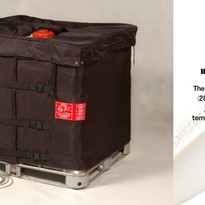
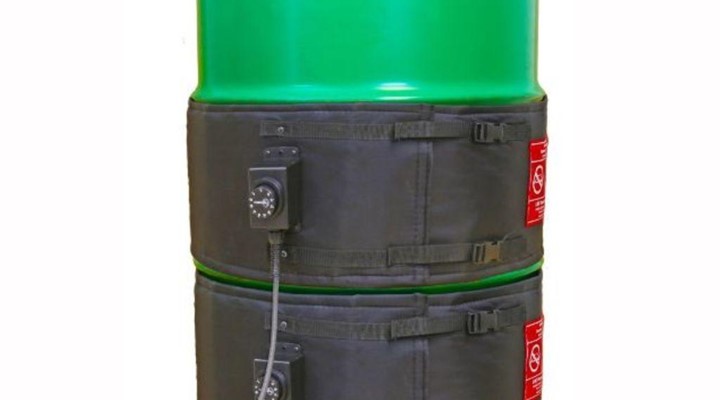
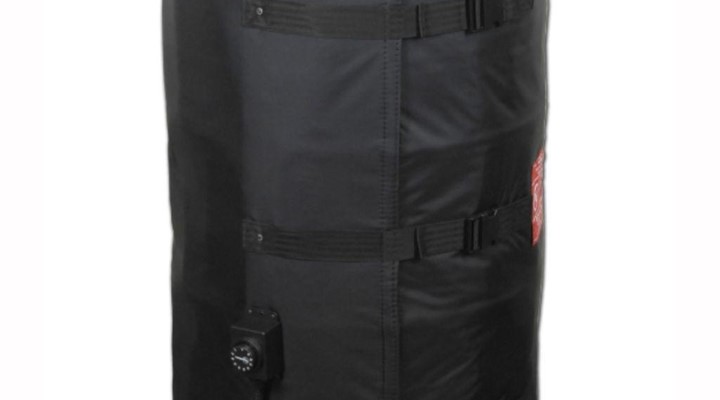
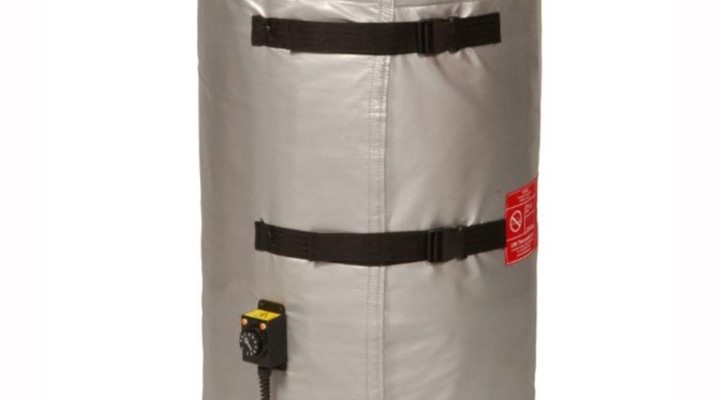
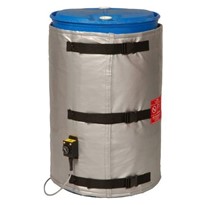
An insulated heater jacket is designed to warm lubricating oils or greases in a drum or IBC and then maintain temperature during use or storage. A good heating jacket supports two outcomes:
- Warming from cold: Brings stored product up to a workable temperature so pumps can transfer it properly.
- Maintaining temperature: Prevents re-thickening during intermittent use, overnight storage, or seasonal temperature drops.
Because the jacket is insulated, less heat is lost to the surrounding air. This improves temperature stability and reduces unnecessary energy loss compared with uninsulated heating options. Our LMK Thermosafe heating jackets are safe to leave on as they have extremely reliable temperature control and industry leading dust and water resistance. This means piece of mind for the operator.
Selecting the Right Heater for Lubricating Oils and Greases
For drum heating, jacket selection is mostly driven by where the drum is stored (under cover or in the open) and the lowest overnight ambient temperature. Extra protection is recommended where jackets are exposed to grime, moisture, or outdoor conditions.
Under Cover Applications
- Low usage (a week or more), night ambient > 10°C: HHND, IP44
- Night ambient < 10°C: HHD, IP44
- Night ambient < 0°C: HPD1, IP44
- Potentially explosive area (Zone 1 or 2): IHD, IP44
Open / Outdoor applications
- Low usage (a week or more), night ambient > 10°C: HHND + side PVC, IP55
- Night ambient < 10°C: HHWD50, IP56
- Night ambient < 0°C: HHWD50, IP56
- Night ambient < 10°C with extra grime protection: HHD + side PVC, IP55
- Night ambient < 0°C with extra grime protection: HPD1 + side PVC, IP55
- Night ambient < 10°C with extra grime protection (no pump): HHD + 2pce PVC, IP56
- Night ambient < 0°C with extra grime protection (no pump): HPD1 + 2pce PVC, IP56
If you are heating an IBC (1000L) or need a custom solution for pumps/valves/pipework, SBH Solutions can recommend the appropriate jacket configuration based on your site conditions.
The Benefits You Can Expect
Get the lubricant to a workable temperature and everything improves fast. Transfer becomes clean and predictable, so you stop leaving money stuck to the inside of drums. Pumps stop fighting thick product, which means less strain, less wear, and fewer avoidable maintenance headaches.
Most importantly, lubrication becomes consistent again, so equipment runs the way it’s supposed to. And in winter? You’re not losing time to slow starts, stalled transfers, or “wait and see” warm-up delays.
Conclusion
Cold lubricating oils and greases create predictable problems: difficult pumping, increased equipment load, and wasted product that cannot be extracted. An insulated heater jacket solves this by warming product from cold and maintaining temperature during storage or use.
For best results, heater jacket selection should be based on the working environment, minimum overnight ambient conditions, and any extra protection requirements such as outdoor exposure or hazardous area compliance.
To match the correct heater jacket and part number to your application, get in touch with SBH Solutions experts today.
-205x205.jpg)
(1)-205x205.jpg)