


Key takeaways
| Factor | Detail |
|---|---|
| New LPG counterbalance (1.8-2.5T) | $28,000-$40,000 AUD excluding GST; brands include Toyota, Hyster, Komatsu, Heli, Hangcha |
| New LPG counterbalance (2.5-3.5T) | $38,000-$55,000 AUD excluding GST; mid to high-spec with sideshift and triplex mast |
| Used LPG forklift (serviceable condition) | $9,000-$25,000 AUD depending on age, hours, brand and specification |
| LPG fuel cost per hour | $8-$12 per operating hour based on a 9 kg cylinder at $30-$40 per exchange |
| Annual fuel cost (single shift, 5 days/week) | $9,000-$15,000 AUD per machine depending on duty cycle and hours |
| Maintenance interval | Every 250-500 operating hours; oil, spark plugs, filters, fuel system and LPG components |
| Operator licence required | High Risk Work Licence, Class LF, issued by state WHS regulator; applies at all Australian workplaces |
| LPG gas system certification | Annual inspection required under AS 4983-2010; certification must be current for the machine to operate legally |
Why operations choose LPG forklifts in 2026
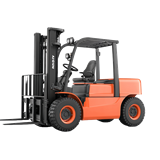
LPG forklifts remain one of the most widely purchased forklift types in Australia because they solve a specific operational problem that electric cannot fully address: the need for full-shift power in environments where charging infrastructure is unavailable, where the site is outdoor or mixed, or where operations run across multiple shifts without the downtime tolerance to charge a battery. A cylinder swap takes two minutes. That operational flexibility has real dollar value in high-utilisation sites.
LPG also covers a wider capacity range than electric in the Australian market, with models available from 1.5 tonnes to over 10 tonnes, and it performs reliably in environments that would compromise a battery-electric machine: dust, heat, outdoor terrain and wet conditions. Browse LPG forklifts on IndustrySearch to compare current models from verified Australian suppliers.
Operations where LPG is typically the correct specification include:
- Outdoor and mixed indoor/outdoor sites including timber yards, building materials operations, container parks, manufacturing yards and agricultural facilities
- Multi-shift operations running 16-24 hours per day where lead-acid battery charging cycles create genuine productivity constraints
- Remote or regional sites without reliable three-phase power for fast charging infrastructure
- Heavy-duty applications above 3.5 tonnes where the electric counterbalance range available in Australia remains limited
- Operations with variable or unpredictable daily hours where a cylinder swap on demand is more practical than planned charge scheduling
LPG forklift types and configurations
| Type | Capacity Range | Typical Application | Tyre Type |
|---|---|---|---|
| Cushion tyre counterbalance | 1.5-3.5T | Smooth indoor/covered concrete surfaces; warehouses, factories, loading docks | Solid cushion; compact turning radius |
| Pneumatic tyre counterbalance | 1.8-10T | Outdoor, uneven ground, mixed surfaces, yards, construction sites | Pneumatic or solid pneumatic |
| Heavy-duty LPG counterbalance | 4-10T+ | Ports, heavy manufacturing, steel, timber, container handling | Pneumatic; dual rear tyres on larger models |
Key specifications buyers should evaluate
| Specification | Typical Range | Buyer Consideration |
|---|---|---|
| Lift capacity | 1.5-10T+ | Rate at your heaviest load at maximum lift height, not ground level. Capacity decreases as lift height and load centre increases |
| Lift height | 3,000-7,000 mm | Confirm mast type (duplex, triplex, quad) clears your highest racking beam with the load on. Add at least 200 mm clearance |
| Mast collapsed height | 1,900-2,400 mm | Critical for container entry and low-clearance doors. Confirm against your lowest overhead obstacle |
| Turning radius | 2,000-3,500 mm | Measure your narrowest aisle with pallet overhang. LPG counterbalance units require wider aisles than reach trucks |
| Engine displacement | 2.0-3.3L (common range) | Larger displacement suits heavier loads and inclines. Confirm fuel consumption rate against your expected duty cycle |
| LPG cylinder size | 9 kg (standard) or 18 kg (extended) | 18 kg extends run time but requires compatible bracket and counterweight balance check with your supplier |
| Tyre type | Cushion (indoor) or pneumatic (outdoor) | Do not substitute. Cushion tyres on outdoor surfaces cause instability and accelerated wear |
| Attachments | Sideshift standard; positioners, clamps, rotators optional | Each attachment reduces rated capacity. Request a revised load chart from the supplier before operating with non-standard attachments |
Costs in Australia (2025-2026)
| Cost Category | Range (AUD, excl. GST) | Notes |
|---|---|---|
| New LPG counterbalance, 1.8-2.5T | $28,000-$40,000 | Entry to mid-spec; includes standard mast, sideshift and basic safety package |
| New LPG counterbalance, 2.5-3.5T | $38,000-$55,000 | Mid to high-spec; triplex mast, sideshift, operator comfort package |
| New LPG counterbalance, 4-7T | $55,000-$95,000 | Heavy duty; pneumatic tyres standard; price rises sharply with capacity |
| Used LPG counterbalance, 2-3T (5,000-8,000 hrs) | $12,000-$22,000 | Serviceable working condition; confirm engine hours, tyre wear, mast seals and LPG certification |
| Used LPG counterbalance, 2-3T (under 5,000 hrs) | $18,000-$30,000 | Good condition with service history; reconditioned units from reputable dealers |
| LPG fuel (9 kg cylinder exchange) | $30-$40 per cylinder | Regional variation applies; one cylinder per 4-5 hours under moderate load |
| Annual fuel cost (single shift) | $9,000-$15,000 | Based on 5 days/week, 50 weeks/year, moderate duty cycle |
| Annual maintenance cost | $4,000-$9,000 | Includes scheduled services at 250-500 hour intervals; excludes unplanned repairs and tyres |
| Tyre replacement (set of 4, cushion) | $1,200-$2,500 | Interval depends on surface, load and hours; pressed cushion tyres require specialist equipment to replace |
| Annual LPG gas system certification | $200-$450 | Required under AS 4983-2010; must be current for machine to legally operate |
Pricing based on Australian supplier and dealer market data 2025-26. New unit prices vary by brand, specification and state. Used unit prices vary significantly by condition, hours and service history. All prices exclude GST and delivery.
LPG vs electric vs diesel: Choosing the right fuel type
| Factor | LPG | Electric | Diesel |
|---|---|---|---|
| Purchase price (2.5T, new) | $28,000-$40,000 | $32,000-$70,000 (lead-acid to lithium) | $32,000-$50,000 |
| Fuel/energy cost per hour | $8-$12 | $0.60-$1.50 | $10-$18 (at current diesel pricing) |
| Maintenance cost per hour | $1.70-$2.00 | $1.00-$1.50 | $2.00-$2.80 |
| Refuel/recharge time | 2 minutes per cylinder | 6-8 hrs (lead-acid); 1-2 hrs (lithium) | 5-10 minutes |
| Indoor suitability | Yes, with ventilation requirement | Yes, preferred for enclosed spaces | Restricted; particulates and NOx |
| Outdoor suitability | Fully suited | IP-rated models available; some limitations | Fully suited; preferred for heavy outdoor |
| Capacity range (Australian market) | 1.5-10T+ | 1.4-3.5T (most common) | 1.5-20T+ |
| 5-year TCO (single shift, 2.5T) | $85,000-$115,000 | $45,000-$70,000 (lead-acid) | $100,000-$140,000 |
5-year TCO includes purchase, fuel/energy, maintenance and certification. Electric TCO excludes battery replacement cost which typically falls outside the 5-year window for new units. Australian market pricing 2025-26.
Australian WHS and compliance requirements
- All forklift operators in Australia must hold a current High Risk Work Licence (HRWL) Class LF (forklift truck) or Class LO (order picking forklift) issued by the relevant state WHS regulator. Operating without a valid licence at any workplace, including private property, is an offence under the WHS Act
- LPG gas fuel systems must be inspected and certified annually under AS 4983-2010. A current gas inspection certificate is required for the machine to legally operate. In Queensland, this obligation also falls under Section 100 of the Petroleum and Gas (Production and Safety) Regulations 2014
- Employers operating LPG forklifts in enclosed or semi-enclosed workplaces must manage carbon monoxide exposure under WHS Regulations 2017. Safe Work Australia sets a time-weighted average of 20 ppm over an 8-hour shift. Adequate mechanical ventilation must be demonstrated
- LPG cylinder storage on site must comply with AS/NZS 1596 covering storage area design, separation distances from ignition sources and quantity limits
- Forklifts are classified as registrable plant in most Australian states. Plant registration must be current before a machine is used at any workplace. Confirm registration requirements with your state regulator before operating a purchased unit
- A pre-start inspection covering LPG hoses, regulator, tyres, mast seals, brakes, horn and warning devices is a WHS obligation before each shift. Any detected gas leak requires the machine to be taken out of service immediately and the LPG system re-certified before returning to use
Supplier comparison checklist
| Factor | What to Ask |
|---|---|
| Gas system certification | Is the LPG gas system certified under AS 4983-2010 and is the current certificate transferable to the new owner? |
| Plant registration (used units) | Is the machine currently registered as plant in my state, and does registration transfer at point of sale? |
| Pre-sale inspection report | Can you provide a full written inspection report covering engine hours, mast seals, tyre depth, brake condition and LPG system? |
| Capacity at full lift height | What is the rated capacity at my maximum required lift height and load centre? Can you provide the full load data plate? |
| Service network | Do you have technicians in my state and what is your average response time for a breakdown call-out? |
| Parts availability | Are engine parts, mast seals, LPG regulators and tyre sets stocked locally or sourced from overseas to order? |
| Service contract | Is a fixed-price scheduled maintenance contract available, and does it include the annual LPG gas system inspection? |
| Warranty | What does the warranty cover and for how long? Does it include the LPG fuel system, mast and hydraulic components or chassis only? |
| LPG cylinder supply | Can you arrange ongoing cylinder exchange supply to my site, and at what delivered cost per cylinder? |
| TCO comparison | Will you provide a 5-year total cost of ownership comparison between LPG and electric at my specific hours and duty cycle? |
Frequently asked questions
What is the difference between a cushion tyre and pneumatic tyre LPG forklift?
Cushion tyre models have solid rubber tyres pressed directly onto the wheel rim and are designed for smooth, hard indoor surfaces such as concrete warehouse floors. They have a smaller turning radius than pneumatic models, making them more manoeuvrable in tight aisles. Pneumatic tyre models use air-filled or solid foam-filled tyres that absorb shock on uneven ground, making them suited to outdoor yards, gravel surfaces and mixed-use environments. Using cushion tyre models outdoors on rough ground creates instability and greatly accelerates tyre wear.
How much does it cost to run an LPG forklift per year in Australia?
For a 2.5 tonne LPG counterbalance on a single shift five days per week, total annual running costs including fuel, scheduled maintenance, gas system certification and cylinder costs typically fall in the range of $14,000-$25,000 AUD. Fuel is the largest component at $9,000-$15,000. Maintenance adds $4,000-$9,000 depending on hours and service contract structure. Two-shift operations should budget $25,000-$40,000 per machine annually before tyre replacement, unplanned repairs and operator costs.t.
What should i check when buying a used LPG forklift?
The five critical inspection points are engine hours and service history (request the logbook or digital service records), mast and hydraulic cylinder seal condition (look for oil weeping around seals and cylinders), LPG hose, regulator and fitting condition (check for cracking or perishing and request a current gas certification), tyre condition on all four wheels (replacement costs $1,200-$2,500 per set for cushion tyres), and current plant registration status confirming the unit is legally compliant to operate in your state.
Can LPG forklifts be used in food-grade or cold store environments?
LPG forklifts can be used in food manufacturing and cold store environments but require careful assessment. Carbon monoxide from LPG combustion accumulates in enclosed cold stores where ventilation is limited by design. Catalytic converters reduce but do not eliminate CO output. Many food-grade operations in Australia now specify electric for cold store use to avoid CO monitoring obligations and maintain air quality standards under FSANZ and WHS requirements. Confirm with your WHS adviser and the site ventilation engineer before specifying LPG in a cold store or enclosed food processing area.
Summary
- New LPG counterbalance forklifts (1.8-3.5T) are priced at $28,000-$55,000 AUD. Used units in serviceable condition start from approximately $9,000
- Annual running costs for a single-shift 2.5T LPG forklift total $14,000-$25,000 including fuel, maintenance and compliance. Two-shift operations budget $25,000-$40,000 per machine
- LPG is the correct specification for outdoor, mixed-environment, multi-shift and remote operations. For single-shift indoor use, compare 5-year TCO against electric before buying
- Select cushion tyres for smooth indoor concrete and pneumatic tyres for outdoor or mixed surfaces. Do not substitute
- All operators require a High Risk Work Licence Class LF. The LPG gas system must be inspected and certified annually under AS 4983-2010
- When evaluating used units, inspect engine hours, mast seals, LPG certification, tyre condition and plant registration status before committing to purchase
Ready to source your LPG forklift?
Don't waste time chasing individual suppliers. IndustrySearch gives you direct access to verified Australian LPG forklift suppliers. Compare models, capacities and pricing in one place, then request quotes from suppliers best matched to your operation and state.
- Compare models - filter by capacity, configuration and region
- Request quotes - contact multiple verified suppliers with a single enquiry
- Contact suppliers directly - speak to specialists who service your state

-160x160-state_article-rel-cat.png)


-160x160-state_article-rel-cat.png)